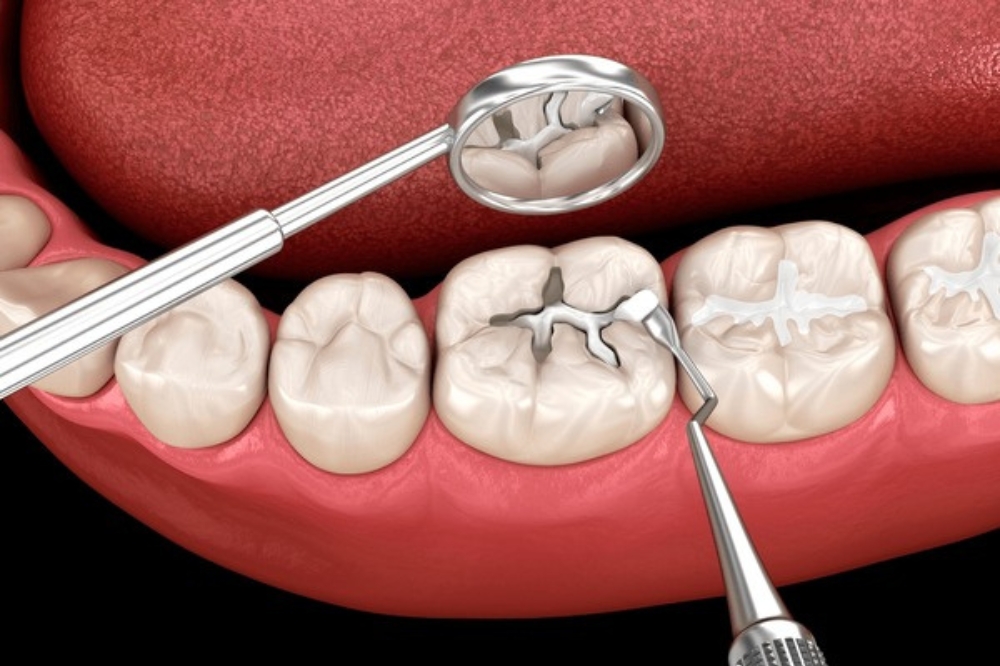
Maintaining a healthy mouth involves more than just brushing after meals. When a cavity forms, getting dental fillings near you acts as a crucial barrier against further decay. If a hole in the enamel is left open, bacteria can crawl deeper into the tooth, eventually reaching the sensitive nerves. By quickly sealing the area, a dentist ensures the infection stops in its tracks, preserving the natural structure of the jaw for years to come.
Stopping Decay Before It Spreads
Cavities are minor infections caused by acid-producing bacteria. When a dentist identifies a soft spot in the enamel, they remove the damaged portion to prepare for a repair. Without a solid material to take its place, the tooth remains weak and prone to cracking under the pressure of chewing.
The primary role of dental fillings for cavities is to “plug” the cavity and restore the tooth’s structural integrity. This prevents food particles from getting trapped inside the hole, which would otherwise feed more bacteria and lead to a much larger problem, such as a painful abscess or a broken root.
What Structural Benefits Come from Fillings?
Choosing to repair a tooth early offers several physical advantages. Most people think of a filling as a simple patch, but the benefits of dental fillings extend beyond the tooth itself.
- Support for Enamel: Filling materials bond to the natural tooth, helping to hold the remaining walls together.
- Bite Protection: A restored tooth maintains its height, preventing the opposing teeth from shifting out of place.
- Nerve Shielding: By covering the inner dentin, the material protects the pulp from hot or cold temperatures.
- Fracture Prevention: Sealing a small crack keeps it from spreading down to the gum line.
How Fillings Help Avoid Major Surgeries
If someone avoids visiting a dentist for a small cavity, the damage does not stay small. Eventually, the rot travels to the center of the tooth. Once the pulp is infected, a simple filling is no longer sufficient to resolve the problem. At that stage, a patient might need a root canal or even a complete tooth extraction.
Opting for dental fillings in Kirkland early in the process is a proactive way to avoid more invasive, expensive surgeries. Keeping your original tooth is always the goal, as natural teeth are stronger and easier to maintain than artificial replacements. A small investment in a filling now prevents the need for bridges or implants later in life.
Choosing the Right Material for Protection
Modern technology provides several options for repairing a smile. A dentist in Kirkland will usually suggest a material based on where the cavity is located and how much pressure it needs to handle.
- Composite Resin: This tooth-colored material is popular because it blends in perfectly with the rest of the smile.
- Amalgam: Often used for back molars, this silver-colored blend is extremely tough and durable.
- Ceramic: These are often used for larger repairs because they are very resistant to staining and wear.
- Glass Ionomer: This material is helpful for children because it releases fluoride, which helps strengthen the enamel from the inside out.
Can a Filling Protect Your Tooth for Years?
Once a dentist near you completes the procedure, the tooth is ready to go back to work. However, the lifespan of the repair depends on how well the person cares for their mouth. Even though the filling material cannot rot, the natural tooth around the edges still can.
Consistent flossing helps prevent plaque from building up where the filling meets the tooth. Additionally, regular checkups allow a professional to see if the seal is still tight or if the material has developed any tiny cracks over time. If a filling is maintained correctly, it can protect a tooth for a decade or longer.
Why Wait to Protect Your Smile?
At Dentiste, we focus on providing gentle and effective care to help every patient keep their natural teeth. Our team uses the latest tools to ensure your experience is comfortable and your results look natural. Everyone deserves a smile that feels strong and looks great every day. Call us to schedule your visit today.
📍 Find us easily on the Google map and plan your visit today!
Frequently Asked Questions
Can a dental filling for cavities really stop a tooth from breaking?
Yes, because a filling replaces the hollow space left by decay with a sturdy material. By filling that void, a dentist reinforces the tooth structure, making it much harder for the enamel to collapse or snap when you bite down on crunchy food.
What are the main advantages of dental fillings besides fixing a hole?
The benefits include stopping the spread of infection, reducing tooth sensitivity to cold or hot drinks, and preventing other teeth from moving into the space created by a damaged tooth. They also help maintain your face’s shape by keeping your jawbone active and healthy.
Is getting dental fillings painful?
Modern numbing medicine ensures you feel no pain during the visit. Most patients describe the feeling as a slight pressure. Once the dentist finishes the work, any mild soreness usually disappears within a few hours.
How do I know if I need dental fillings?
Common signs include a sharp pain when eating sweet foods, a constant dull ache, or a hole you can feel with your tongue. Sometimes only the dental team can detect a cavity on a digital X-ray, which is why regular checkups are so crucial for early detection.