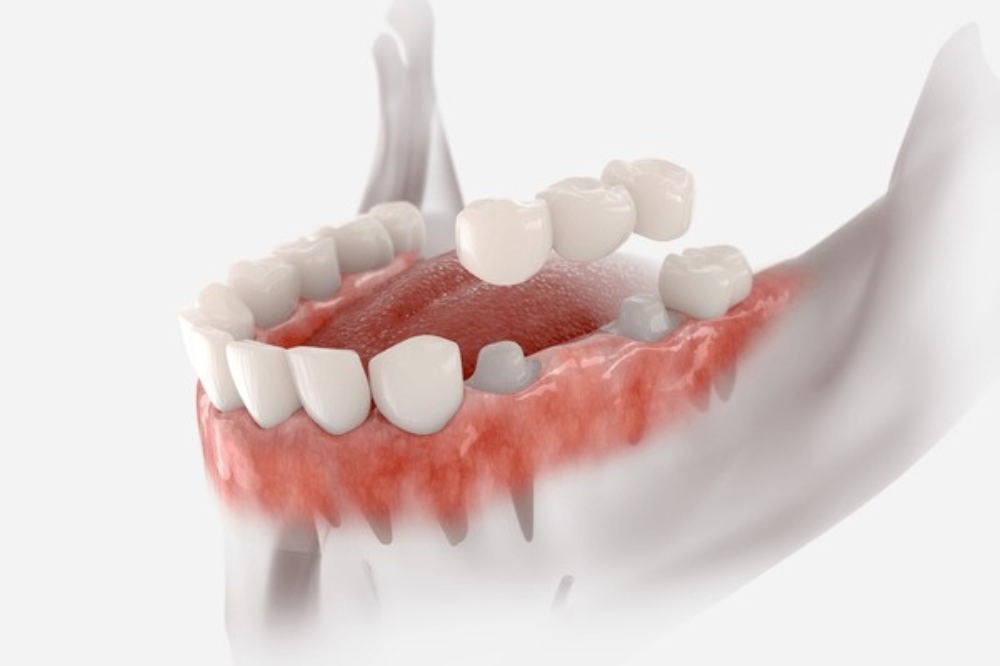
Fixing your smile after losing a tooth means deciding how to fill that space. Many people ask if getting dental bridges near you will last forever or if they will eventually need a new one. While a bridge is a great long-term way to fix your teeth, it isn’t a permanent part of your body like a real tooth or a dental implant.
Finding a reliable dentist allows for a professional evaluation of the health of your jaw and gums before starting treatment. If the anchor teeth are strong and the bone is healthy, a bridge can provide a functional and beautiful solution for many years. Choosing a dentist ensures that the materials used for the restoration match the color and shape of the surrounding enamel for a natural appearance.
How Long Do Dental Bridges Last?
When considering how long a restoration stays in place, the dental bridge lifespan usually ranges between five and fifteen years. Some patients manage to keep their bridges for much longer with excellent oral hygiene and regular professional cleanings. The longevity of the device depends heavily on the health of the anchor teeth underneath the crowns.
- Foundation Health: If the natural teeth under the crowns develop decay, the bridge will eventually become loose.
- Material Quality: Porcelain and ceramic are very strong, but they can still chip if a person bites down on very hard objects.
- Gum Care: Gum disease can cause the bone to pull away from the anchor teeth, weakening the entire structure.
Factors Affecting Dental Bridge Durability
The daily wear and tear of chewing exerts a lot of pressure on dental work. Enhancing dental bridge durability requires a commitment to protecting the appliance from unnecessary stress. Because a bridge connects multiple teeth, it creates unique challenges for cleaning that a person must address every day.
- Chewing Habits: Avoiding ice, hard candy, or non-food items like pens helps prevent porcelain from cracking.
- Grinding Issues: People who clench their teeth at night should wear a mouthguard to protect their dental bridges in Kirkland from excessive force.
- Systemic Health: Conditions like diabetes can affect how the body maintains the gums and bone supporting the bridge.
Why a Bridge Might Eventually Need Replacement
Even though a bridge is fixed in place, it is not immune to the passage of time. Eventually, most patients will need to visit a dental office to have a new one created. Knowing the signs of wear helps prevent a sudden failure that could cause pain or embarrassment.
- Loose Fit: If your bridge feels like it is moving or “clicking” when you eat, the dental glue might have washed away.
- Sensitivity: Feeling pain from hot or cold things under your bridge usually means germs have reached the natural tooth underneath.
- Visible Chips: While tiny chips can be smoothed out, big cracks can trap food and make it hard to keep your mouth clean.
- Receding Gums: If your gums pull back, the dark edge of the metal or the root of your tooth might start to show.
How to Maintain Your New Smile
Cleaning a dental bridge is different than brushing your regular teeth. Because the new tooth sits just above your gums, small bits of food can get stuck in the tiny gap underneath it.
- Use a Threader: This simple tool helps you pull floss under the bridge to clean the spots a toothbrush can’t reach.
- Water Flossers: These devices use a tiny stream of water to wash away germs and food from the bottom of your bridge.
- Regular Visits: Seeing a dentist every six months helps find small problems before they turn into big ones.
- Strong Toothpaste: Using a special toothpaste with fluoride helps keep the teeth holding your bridge strong and free of cavities.
Strong Support for a Healthier Smile
Fixing a missing tooth is a big step toward a healthy mouth and feeling good about yourself. A custom bridge does more than fill a hole; it holds your face shape and stops your other teeth from moving out of place. Our dentist in Kirkland works hard to give you strong, high-quality repairs that look just like your natural teeth.
Book your appointment today at Dentiste to get your smile back!
📍 Find us easily on the Google map and plan your visit today!
Frequently Asked Questions
Does getting a dental bridge hurt?
The process is very comfortable because a dentist near you numbs the area before shaping the teeth. After the appointment, some people feel minor sensitivity for a few days, but the actual procedure does not cause pain.
Can a bridge be repaired if it breaks?
Small chips in the porcelain can sometimes be patched with a special resin. However, if the framework of the bridge snaps or if the anchor tooth underneath is damaged, the entire bridge usually needs to be replaced with a new one.
Is it harder to eat with a bridge?
A bridge actually makes eating much easier by filling the gap and providing a solid surface for chewing. Avoid extremely sticky foods like caramel, which could pull on the crowns over time.
How does a bridge compare to a dental implant?
A bridge is often faster to finish and does not require surgery, but it relies on the health of the neighboring teeth. An implant is a standalone post that does not involve the surrounding teeth, though it takes longer to heal.